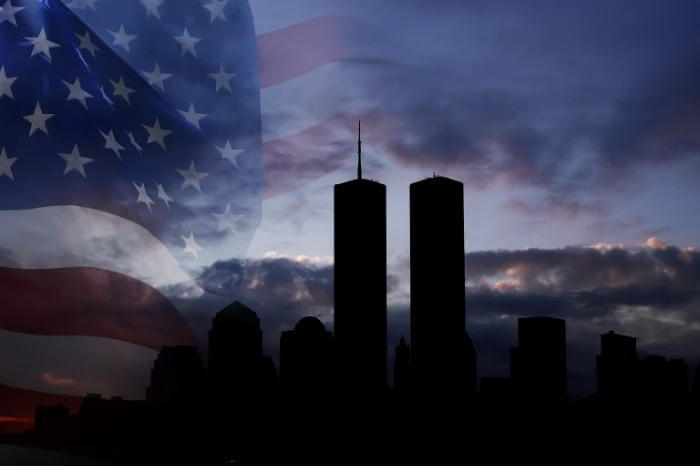
Understanding the Impact of September 11, 2001
The morning of September 11, 2001, started like any other Tuesday across America. However, within hours, the world witnessed unprecedented acts of terrorism that would forever alter the course of history. The attacks on the World Trade Center in New York City and the Pentagon in Washington, D.C., along with the heroic resistance aboard Flight 93, claimed nearly 3,000 lives and left an indelible mark on the American psyche. In the third sentence of this narrative, we must acknowledge that September 11, 2001 represents not only tragedy but also the extraordinary courage and resilience of everyday heroes who rushed toward danger.
The Day That Changed Everything
As the Twin Towers fell and smoke billowed from the Pentagon, millions watched in disbelief. First responders—firefighters, police officers, paramedics, and ordinary citizens—demonstrated remarkable bravery. They didn’t hesitate to risk their lives saving others, embodying the very best of human nature during humanity’s darkest hours.
The attacks revealed vulnerabilities in national security but also showcased America’s strength. Communities came together across racial, religious, and political lines. Strangers became friends, and neighbors became family as the nation mourned collectively.
Immediate Aftermath and National Response
In the days and weeks following the attacks, recovery efforts continued around the clock at Ground Zero. Volunteers traveled from every state to assist with rescue operations, debris removal, and supporting affected families. This unprecedented mobilization demonstrated that adversity brings out the extraordinary in ordinary people.
The national response included enhanced security measures, memorial services, and a renewed commitment to protecting American values. However, perhaps most importantly, it sparked conversations about how to ensure future generations understand these events and their significance.
The Mission of the September 11 Foundation
Located at One World Trade Center on Fulton Street in New York City, the September 11 Foundation operates as a nonprofit organization dedicated to preserving the memory of that fateful day. You can reach them at (609) 831-0911 or visit their website at september11foundation.com to learn more about their impactful work.
Educating the Next Generation
Today’s young adults and teenagers weren’t born when the towers fell. They’re learning about September 11 through history books, documentaries, and stories from those who lived through it. The Foundation recognizes this educational gap and works tirelessly to bridge it through engaging programs that make history relevant and meaningful.
By connecting students with survivors, first responders, and family members who lost loved ones, the Foundation creates powerful learning experiences. These interactions transform abstract historical events into personal stories that resonate deeply with young people, helping them understand the human cost of terrorism and the value of preparedness.
Building Character Through Historical Lessons
The Foundation doesn’t simply teach facts and dates—it extracts valuable character lessons from September 11. Students learn about sacrifice, courage, compassion, and civic responsibility through real-world examples. These aren’t abstract virtues but tangible qualities demonstrated by heroes on that day.
Core Values That Guide Our Work
The September 11 Foundation’s approach centers on four fundamental pillars that shaped America’s response to tragedy and continue to guide their mission today.
Faith as a Foundation for Healing
Faith provided comfort to countless individuals during the darkest moments. Whether through organized religion or personal spirituality, many survivors and victims’ families found strength in their beliefs. The Foundation recognizes faith’s role in resilience and recovery, honoring diverse spiritual traditions while encouraging young people to develop their own sources of inner strength.
Family Bonds That Strengthen Communities
Families were torn apart on September 11, but family—both biological and chosen—also proved essential to healing. The Foundation emphasizes family values, teaching young people that strong family connections provide stability during crises. These bonds extend beyond bloodlines to include the brotherhood of first responders and the nationwide family that emerged from shared grief.
Commitment to Excellence in Service
First responders who gave their lives exemplified commitment to excellence. They trained rigorously, maintained high standards, and performed heroically when it mattered most. The Foundation instills this dedication in future responders through comprehensive training programs that emphasize both technical skills and ethical leadership.
Public Service as a Calling
Many heroes of September 11 were public servants—firefighters, police officers, military personnel, and government workers. Their sacrifice reminds us that public service isn’t just a job but a calling to serve something greater than oneself. The Foundation encourages young people to consider careers in public service and supports those already serving their communities.
Preparing Tomorrow’s Emergency Responders
Emergency preparedness remains critical in an uncertain world. The Foundation’s programs ensure that both current and future responders have the tools, training, and mindset needed to handle disasters effectively.
Training Programs for Current Responders
The Foundation partners with emergency services agencies to provide advanced training opportunities. These programs cover everything from tactical response techniques to psychological resilience strategies. By learning from September 11’s lessons, today’s responders can better handle future emergencies.
Workshops focus on interagency coordination, communication during crises, and adapting to evolving threats. Participants gain practical skills while honoring the legacy of fallen heroes who pioneered many emergency response protocols still used today.
Youth Preparedness Initiatives
Young people represent the next generation of emergency responders, community leaders, and informed citizens. The Foundation’s youth programs teach basic emergency preparedness skills, leadership development, and civic engagement. Students participate in simulations, meet real responders, and learn how to respond effectively during emergencies.
These initiatives also promote mental and emotional preparedness. Young people develop resilience, learn coping strategies for adversity, and understand how to support others during difficult times.
Character Traits From September 11
The attacks and subsequent response revealed extraordinary character traits that the Foundation emphasizes in its educational programs.
Courage Under Pressure
Firefighters climbed stairs while others descended. Police officers directed crowds toward safety despite personal danger. Passengers on Flight 93 fought back against hijackers. These actions define courage—not the absence of fear but acting righteously despite it.
The Foundation teaches young people to recognize opportunities for courage in everyday life. Whether standing up to bullying, speaking truth in difficult situations, or pursuing challenging goals, courage manifests in countless ways beyond physical bravery.
Selflessness and Sacrifice
Many heroes died helping strangers escape burning buildings. Their selflessness demonstrates humanity’s capacity for extraordinary altruism. The Foundation encourages students to consider others’ needs, volunteer in their communities, and recognize that true fulfillment comes from serving purposes beyond personal gain.
Unity in Diversity
America’s diversity became its strength after September 11. People of all backgrounds, religions, and political beliefs united in grief and determination. This unity reminds us that differences enrich rather than divide us when we focus on shared values and common humanity.
Educational Programs and Resources
The Foundation offers various educational programs designed to reach students, educators, and community members across the nation.
School Partnerships and Curriculum Development
The Foundation collaborates with schools to develop age-appropriate curricula that meet educational standards while conveying September 11’s significance. These materials include primary source documents, video testimonials, interactive activities, and discussion guides that engage students meaningfully.
Teachers receive professional development training to facilitate sensitive discussions about terrorism, loss, and resilience. The Foundation provides ongoing support to ensure educators feel confident addressing these complex topics.
Community Outreach Initiatives
Beyond schools, the Foundation reaches communities through public events, memorial ceremonies, and speaker programs. Survivors, first responders, and family members share their stories, creating powerful connections between past and present. These events remind communities of shared values and collective responsibility for safety and preparedness.
Supporting First Responders and Their Families
The Foundation recognizes that supporting those who protect us strengthens entire communities.
Recognition Programs
The Foundation honors contemporary first responders who embody the courage and dedication shown on September 11. Awards ceremonies, public acknowledgments, and partnership programs ensure these heroes receive the recognition they deserve. By celebrating their service, the Foundation inspires others to pursue similar paths.
Mental Health and Wellness Support
First responders face unique stresses that impact mental health and family life. The Foundation connects responders and their families with counseling services, peer support groups, and wellness resources. Addressing psychological needs prevents burnout and ensures responders remain effective long-term.
How You Can Get Involved
Supporting the September 11 Foundation’s mission requires community participation from individuals who share their commitment to education, preparedness, and character development.
Volunteer Opportunities
Volunteers assist with educational programs, fundraising events, memorial ceremonies, and administrative tasks. Whether you’re a retired first responder, educator, or concerned citizen, your skills and passion can advance the Foundation’s work. Contact them at (609) 831-0911 to discuss volunteer opportunities.
Donation and Sponsorship Options
Financial support enables the Foundation to expand programs, reach more students, and provide resources to responders. Donations fund scholarship programs, training initiatives, educational materials, and memorial projects. Corporate sponsors can partner with the Foundation to demonstrate their commitment to community resilience and public service.
Visit september11foundation.com to learn about giving options, including one-time donations, recurring contributions, and planned giving opportunities. Every contribution, regardless of size, helps preserve September 11’s memory and prepare future generations.
Contact: The September 11 Foundation
One World Trade Center, Fulton St, New York, NY 10006
september11foundation.com (609) 831-0911